

Complete Guide to Healthy Food for Pregnant Mothers — Ensuring Optimal Fetal Development
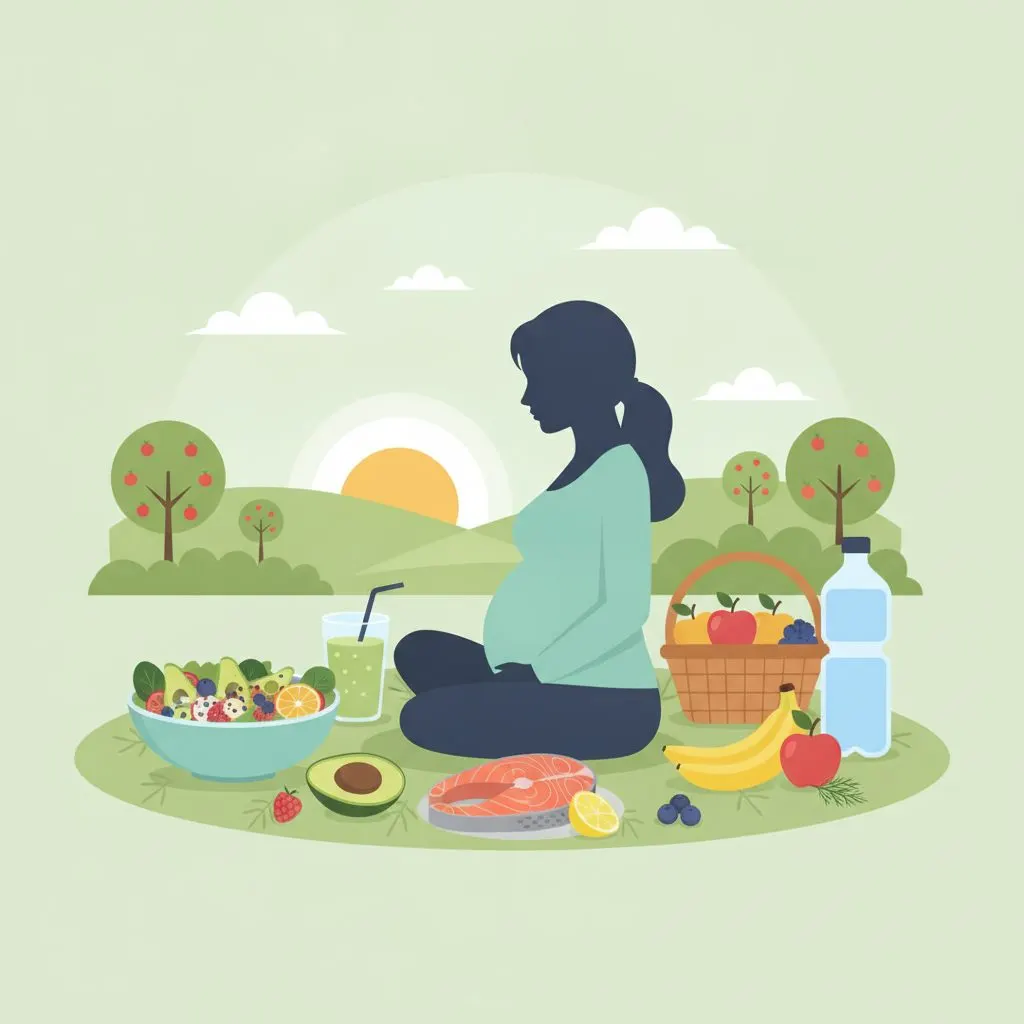
Nutrition during pregnancy is the primary foundation for maternal health and optimal fetal development. This article discusses key nutrients, recommended and avoided foods, as well as practical tips for maintaining a healthy diet.
BERITATOP - The period of pregnancy is an extraordinary journey that demands extra attention to every aspect of health, especially nutrition. What you consume during nine months not only affects your health but also forms the foundation for the optimal growth and development of your baby in the womb.
Choosing healthy food is not just about following a diet trend; it's a long-term investment. Proper nutrition helps prevent pregnancy complications, supports the development of the fetus's vital organs, and prepares the mother's body for childbirth and breastfeeding.
Why is Nutrition Important During Pregnancy?
Inadequate or unbalanced nutritional intake during pregnancy can lead to various problems. Pregnant women are at risk of anemia, high blood pressure, or gestational diabetes, all of which can endanger both mother and fetus.
For the fetus, a lack of essential nutrients can hinder growth, cause low birth weight, and even affect brain and immune system development. Therefore, understanding and implementing a healthy eating pattern is a crucial, non-negotiable step.
Root Causes and Related Conditions
Many pregnant women face challenges in meeting their nutritional needs. Morning sickness, cravings for unhealthy foods, or confusion about choosing the right sources of nutrition often become obstacles.
Conditions like iron deficiency anemia are very common due to increased blood volume and iron requirements for the fetus. Similarly, constipation and heartburn are common symptoms that are often exacerbated by an improper diet.
Key Nutrients Pregnant Women Must Meet
Each nutrient plays a specific role in supporting a healthy pregnancy. Ensuring adequate intake of each of these elements is a top priority.
1. Folic Acid
Folic acid, or folate, is a B vitamin that is crucial for preventing birth defects in the baby's brain and spine, such as spina bifida. Folic acid needs increase dramatically in early pregnancy, even before you realize you are pregnant.
Experts recommend an intake of 400 micrograms (mcg) of folic acid daily, ideally starting one month before conception until at least the first three months of pregnancy. Sources can include supplements and foods like dark leafy green vegetables, legumes, and fortified cereals.
2. Iron
Iron is essential for the production of hemoglobin, a protein in red blood cells that carries oxygen throughout the mother's and baby's bodies. Iron deficiency can lead to anemia, fatigue, and an increased risk of premature birth or low birth weight babies.
Pregnant women need about 27 milligrams (mg) of iron per day. Lean red meat, poultry, fish, legumes, spinach, and fortified cereals are good sources of iron. Consume with vitamin C for better absorption.
3. Calcium
Calcium plays a vital role in building strong bones and teeth for the baby. Additionally, calcium maintains the optimal function of the mother's nerves, muscles, and heart. If the mother's calcium intake is insufficient, the body will draw it from the mother's bones to meet the fetus's needs.
The recommended calcium intake is 1,000 mg per day. Calcium sources include dairy products, yogurt, cheese, calcium-fortified tofu, broccoli, and dark leafy green vegetables.
4. Protein
Protein is the building block of the body, vital for the growth and development of the baby's tissues and organs, including the brain. Protein also supports the growth of the mother's breast and uterine tissues, and increases blood supply.
Pregnant women need about 70-100 grams of protein per day, depending on body weight and trimester. Good protein sources include lean meats, poultry, fish, eggs, legumes, lentils, and dairy products.
5. Vitamin D
Vitamin D works with calcium to build the baby's bones and teeth. This vitamin is also important for a healthy immune system and cell division. Vitamin D deficiency is linked to an increased risk of preeclampsia and premature birth.
Sun exposure is a natural source of vitamin D. Additionally, it can be obtained from fatty fish (salmon, tuna), eggs, and fortified milk or cereals. Consult with a doctor regarding supplementation if necessary.
6. Omega-3 Fatty Acids (DHA and EPA)
Omega-3s, especially DHA (docosahexaenoic acid), are crucial for the baby's brain and eye development. Adequate intake can also reduce the risk of postpartum depression in mothers.
Fatty fish like salmon, sardines, and mackerel are the best sources. If you do not consume fish, fish oil supplements or DHA-enriched foods can be alternatives, but always consult with a doctor.
7. Fiber
Fiber helps prevent constipation, a common problem during pregnancy, and maintains digestive health. Fiber can also help control blood sugar levels.
Good sources of fiber include fruits, vegetables, whole grains (whole wheat bread, brown rice), beans, and lentils. Be sure to drink plenty of water when increasing fiber intake.
Recommended Foods for Pregnant Women
Making smart food choices is key. Focus on whole, minimally processed foods.
- Fruits and Vegetables: Rich in vitamins, minerals, and fiber. Consume a variety of colors for a complete spectrum of nutrients. Wash thoroughly before consumption.
- Whole Grains: Whole wheat bread, brown rice, oatmeal, and whole wheat pasta provide energy, fiber, and essential nutrients like iron and B vitamins.
- Lean Protein Sources: Skinless chicken, fish (choose low-mercury options), eggs, tofu, tempeh, beans, and lentils. These are important for the baby's growth and maintaining the mother's energy.
- Low-Fat Dairy Products: Milk, yogurt, and cheese are excellent sources of calcium and protein. Choose low-fat varieties to reduce saturated fat intake.
- Healthy Fats: Avocados, nuts, seeds, and olive oil. These fats are important for the baby's brain development and the absorption of fat-soluble vitamins.
Foods to Avoid or Limit
Some foods can be harmful to both mother and fetus, so they should be avoided or consumed with extreme caution.
- High-Mercury Fish: Swordfish, marlin, shark, and king mackerel contain high levels of mercury that can damage the baby's nervous system. Opt for low-mercury fish like salmon, sardines, and shrimp.
- Raw or Undercooked Meat, Poultry, and Eggs: Risk of contamination with bacteria such as Listeria, Salmonella, or Toxoplasma. Ensure everything is cooked thoroughly.
- Raw/Unpasteurized Milk and Dairy Products: Can contain harmful bacteria. Always choose pasteurized dairy products.
- Unpasteurized Soft Cheeses: Cheeses like brie, camembert, feta, and roquefort that are unpasteurized carry a risk of Listeria. Choose hard cheeses or soft cheeses clearly labeled 'pasteurized'.
- Excessive Caffeine: Limit caffeine intake to a maximum of 200 mg per day (about one cup of coffee). Excessive intake can increase the risk of miscarriage or low birth weight.
- Alcohol: There is no safe amount of alcohol during pregnancy. Avoid it completely to prevent Fetal Alcohol Syndrome (FAS).
- Processed, High-Sugar, and High-Salt Foods: Chips, cookies, sodas, and fast food are generally low in nutrients and high in empty calories, which can lead to excessive weight gain and an increased risk of gestational diabetes.
Managing Common Pregnancy Conditions with Diet
Many common pregnancy complaints can be alleviated with dietary adjustments.
Morning Sickness
- Eat small, frequent meals. An empty stomach can worsen nausea.
- Avoid strong-smelling, fatty, or spicy foods.
- Try consuming plain crackers or dry toast before getting out of bed.
- Ginger (ginger tea, ginger candies) often helps relieve nausea.
Constipation
- Increase fiber intake from fruits, vegetables, and whole grains.
- Drink plenty of water, at least 8-10 glasses a day.
- Engage in light physical activity regularly if permitted by your doctor.
Heartburn
- Eat small portions and avoid eating too quickly.
- Avoid spicy, fatty, and highly acidic foods (oranges, tomatoes).
- Do not lie down immediately after eating; allow at least 2-3 hours.
Leg Cramps
- Ensure adequate intake of calcium and magnesium. Magnesium sources include nuts, seeds, and green vegetables.
- Perform gentle leg stretches before bedtime.
Practical Daily Tips for Pregnant Women
Making healthy eating a daily habit requires strategy.
- Eat Small, Frequent Meals: Instead of three large meals, try six small meals or three moderate meals with healthy snacks in between. This helps maintain stable blood sugar levels and reduce nausea.
- Optimal Hydration: Water is crucial for preventing dehydration, constipation, and urinary tract infections. Besides plain water, you can drink sugar-free fruit juice or infused water.
- Meal Planning: Plan your weekly menu. Make a shopping list and prepare ingredients in advance. This reduces the temptation to buy instant or unhealthy foods.
- Listen to Your Body: Every pregnancy is different. Pay attention to hunger and fullness cues, and what foods make you feel good or unwell. Don't hesitate to adapt.
- Consult a Professional: Do not hesitate to consult with a doctor or nutritionist. They can provide personalized advice tailored to your health condition and specific needs.
Here is an example of a daily menu table that can serve as inspiration:
| Meal Time | Food Options | Key Nutrients | Example Portion |
|---|---|---|---|
| Breakfast | Oatmeal with berries and nuts | Fiber, Complex Carbohydrates, Antioxidants | 1 bowl oatmeal, 1/2 cup berries, 1 tbsp chia seeds |
| Morning Snack | Low-fat yogurt with sliced apple | Calcium, Protein, Fiber | 1 cup yogurt, 1 apple |
| Lunch | Brown rice, grilled salmon, stir-fried broccoli and carrots | Protein, Omega-3, Fiber, Vitamins A, C | 1 cup rice, 100g salmon, 1 cup vegetables |
| Afternoon Snack | Boiled egg and a slice of whole wheat bread | Protein, Fiber | 1-2 eggs, 1 slice whole wheat bread |
| Dinner | Vegetable chicken soup with whole wheat bread | Protein, Fiber, B Complex Vitamins | 1 bowl soup, 1 slice whole wheat bread |
Ensuring adequate and balanced nutrition is one of the best forms of love you can give your baby from the start. With careful planning and the right choices, you not only maintain your own health but also build a strong foundation for your baby's healthy life in the future.
Remember, every bite is an opportunity to give the best. Make healthy food an inseparable part of your beautiful pregnancy journey.
Key Points
- Optimal nutrition during pregnancy is vital for preventing complications and supporting fetal development.
- Focus on adequate intake of folic acid, iron, calcium, protein, vitamin D, and Omega-3s for the health of both mother and baby.
- Avoid risky foods such as high-mercury fish, raw meat, unpasteurized dairy products, and alcohol.
- Manage common pregnancy complaints like nausea and constipation with dietary adjustments and sufficient hydration.
- Implement practical tips such as eating small, frequent meals, menu planning, and regular consultations with health professionals.
Frequently Asked Questions
What are the most crucial nutrients for pregnant women?
Folic acid is essential for preventing birth defects in the baby's brain and spine (neural tube defects). Calcium builds the baby's bones and teeth, while iron prevents anemia in the mother and supports fetal development.
What foods should pregnant women avoid?
High-mercury fish (like swordfish, shark), raw or undercooked meat/eggs, unpasteurized dairy products, alcohol, and excessive caffeine. High-sugar and high-salt processed foods should also be limited.
How can diet help manage nausea and constipation during pregnancy?
To manage nausea, try eating small, frequent meals, avoiding strong-smelling foods, and consuming ginger. For constipation, increase fiber intake and drink plenty of water.
How many extra calories do pregnant women need daily?
Pregnant women need approximately 300-500 extra calories per day in the second and third trimesters. However, the main focus is on nutritional quality, not just calorie quantity.
Are prenatal vitamin supplements really necessary if eating healthily?
Take the prenatal vitamins recommended by your doctor to ensure all nutritional needs are met, especially for folic acid, iron, and vitamin D, which may be difficult to obtain from food alone.