

Addressing Hair Loss from Root Causes to Practical Solutions
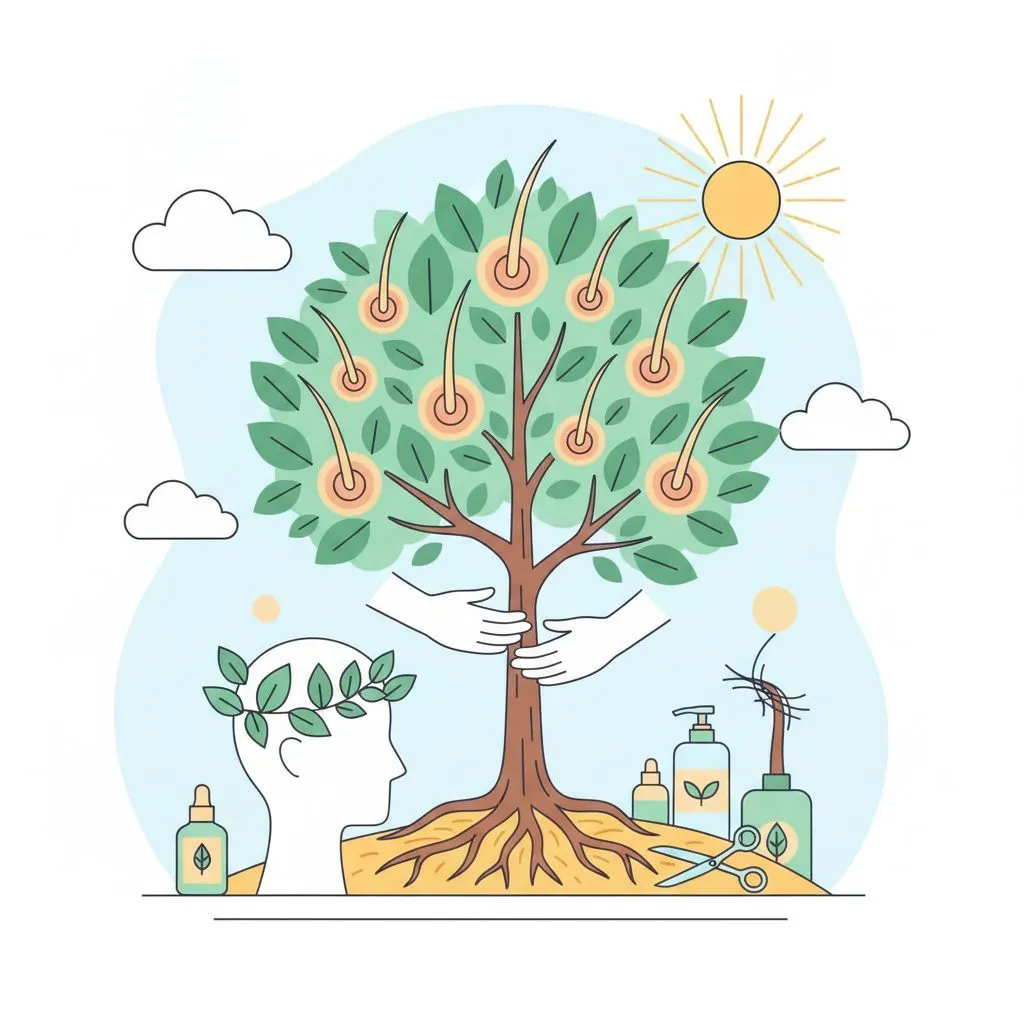
Hair loss is a common problem affecting many people. This article presents an in-depth guide to understanding the causes of hair loss, recognizing its symptoms, and finding effective solutions, ranging from medical treatments to lifestyle and nutritional changes, for healthy and strong hair.
Hair is often called a crown, not only for women but also for men. Its presence is not just an aesthetic complement, but also a reflection of a person's health and self-confidence. When hair starts to fall out excessively, it can be a source of concern and even affect quality of life.
Hair loss is a universal problem experienced by millions of people worldwide, of all ages and backgrounds. Understanding the root cause, recognizing the symptoms, and knowing the right solutions are crucial steps to maintaining your hair health. This article will delve into the intricacies of hair loss, presenting a comprehensive, practical, and in-depth guide.
Understanding Hair Loss: More Than Just Aesthetics
Before diving into solutions, it's important to understand what hair loss is in a normal context. Our hair grows in a constant cycle, and shedding is a natural part of this process. Each strand of hair has its own lifespan, going through three main phases.
The Normal Hair Growth Cycle
The first phase is anagen, the active growth phase that can last for 2 to 7 years. During this phase, cells in the hair follicles divide rapidly, causing hair to grow longer. Approximately 85-90% of your hair is in the anagen phase at any given time.
Next is the catagen phase, a short transitional phase that lasts only about 2-3 weeks. During this phase, hair growth stops, and the hair follicle shrinks. This is the phase where the hair prepares to shed.
Finally, there is the telogen phase, a resting phase that lasts about 2-4 months. In this phase, the hair that is no longer growing remains in the follicle before eventually shedding to be replaced by new hair. Normally, we lose about 50 to 100 strands of hair each day as part of this cycle.
When Does Hair Loss Become a Problem?
While shedding is normal, there comes a point where the amount of shedding becomes abnormal and indicates a problem. If you start finding significant clumps of hair in your comb, on your pillow, or in the drain after showering, this could be a warning sign. Noticeable thinning of hair on the top of the head, widening of the part, or the appearance of unusual bald spots should also be a cause for concern.
Also, pay attention if your scalp feels itchy, sore, or if there is inflammation accompanying the hair loss. These signs indicate that your hair loss may no longer be just part of the natural cycle, but rather requires more serious attention and possibly intervention.
The Root Cause: Why Is Your Hair Falling Out?
Hair loss can be caused by a variety of factors, ranging from simple and temporary to more complex medical conditions. Identifying the cause is the most important first step in finding the right solution.
Genetic and Hormonal Factors
One of the most common causes is genetic factors, known as androgenetic alopecia or male/female pattern baldness. This condition is inherited within families and causes hair follicles to shrink over time, resulting in shorter, finer hair, until it eventually stops growing altogether.
Hormonal changes also play a significant role. Hormonal fluctuations that occur during pregnancy, childbirth, menopause, or conditions like polycystic ovary syndrome (PCOS) can trigger hair loss. Thyroid hormone imbalances, both hypothyroidism and hyperthyroidism, are also common, often overlooked causes of hair loss.
Medical Conditions and Illnesses
Certain medical conditions can directly cause hair loss. Alopecia areata is an autoimmune disease where the immune system mistakenly attacks hair follicles, causing patchy hair loss. Scalp infections, such as ringworm (tinea capitis), can also lead to bald patches and scaly scalp.
Chronic illnesses like lupus, diabetes, and even iron deficiency anemia can affect hair health. Hair loss can be an early symptom of these systemic diseases, highlighting the importance of a thorough medical examination.
Nutritional Deficiencies
An unbalanced diet and a lack of essential nutrients can have serious impacts on hair growth. Hair requires a steady supply of nutrients to grow strong and healthy. Deficiencies in iron, protein, biotin, vitamin D, and zinc are some of the most common nutritional causes of hair loss.
Protein is the primary building block of hair, while iron is essential for carrying oxygen to the hair follicles. Biotin and vitamin D play vital roles in the hair growth cycle. Ensuring adequate nutrient intake is the foundation for healthy hair.
Physical and Emotional Stress
Periods of extreme stress, both physical and emotional, can trigger a condition called telogen effluvium. This is a type of temporary hair loss where a large number of hair follicles prematurely enter the telogen (resting) phase, leading to significant shedding a few months after the stressful event. Examples of stress triggers include major surgery, severe illness, drastic weight loss, or emotional trauma.
Improper Hair Care
The way we care for our hair daily can also be a cause of hair loss. Overuse of heat styling tools, such as hairdryers, straighteners, or curling irons, can damage the hair cuticle and make it brittle. Frequent hair coloring, chemical straightening, or perming can also weaken the hair structure.
Hairstyles that pull hair too tightly, such as tight ponytails, braids, or cornrows, can cause traction alopecia. This is a type of hair loss caused by repeated pulling on the hair follicles.
Certain Medications
Some types of medications have hair loss as a side effect. Examples include chemotherapy drugs designed to kill rapidly growing cells, antidepressants, blood pressure medications, blood thinners, and some medications for arthritis. If you suspect a medication you are taking is causing hair loss, do not hesitate to consult your doctor.
Symptoms and Warning Signs to Watch For
Recognizing the early signs of abnormal hair loss can help you seek treatment sooner. Do not ignore the following signs.
- Overall thinning of hair: Hair feels thinner all over the scalp, not just in specific areas. This is often seen in women.
- Widening of the hair part: Your hair part appears to be getting wider, or the scalp in that area becomes more visible.
- Circular or patchy bald spots: The appearance of smooth, round bald patches on the scalp, beard, or eyebrows, which is characteristic of alopecia areata.
- More hair on comb/brush/drain: A drastic increase in the amount of hair shed when combing, washing, or upon waking up.
- Itchy or sore scalp: Itching, burning, or soreness on the scalp accompanied by hair loss can be an indication of infection or an inflammatory condition.
Comprehensive Solutions: Addressing Hair Loss from Various Angles
Addressing hair loss requires a holistic approach, combining medical treatments, lifestyle changes, and proper hair care routines. There is no single solution that fits everyone, so it's important to tailor your strategy to the cause of your hair loss.
Medical and Topical Treatments
For more severe or persistent cases of hair loss, medical intervention may be necessary.
- Minoxidil: Available as a lotion or foam, minoxidil is an over-the-counter topical medication. It works by prolonging the hair growth phase (anagen) and enlarging hair follicles. Effects are usually seen after several months of regular use.
- Finasteride: This is an oral medication prescribed specifically for men. Finasteride works by inhibiting the production of the hormone dihydrotestosterone (DHT), which is a primary trigger for male pattern baldness. This medication is not recommended for pregnant women or women of childbearing age due to potential risks.
- Corticosteroid Injections: For alopecia areata, doctors may recommend corticosteroid injections directly into the bald scalp areas to suppress the autoimmune response.
- Low-Level Laser Therapy (LLLT): Several LLLT devices, which can be used at home or in clinics, have been approved to stimulate hair growth in androgenetic alopecia.
- Platelet-Rich Plasma (PRP) Therapy: This procedure involves drawing the patient's blood, processing it to concentrate platelets, and then injecting it back into the scalp. Platelets contain growth factors that can stimulate hair follicles.
- Hair Transplantation: For severe and permanent cases of baldness, hair transplantation is a surgical option where hair follicles are taken from a dense area and implanted into a bald area.
Nutritional Support and Supplements
Hair health is highly dependent on nutrient intake. Ensure your diet is rich in essential vitamins and minerals.
- Protein: Consume adequate lean protein from sources like chicken, fish, eggs, dairy products, and legumes.
- Iron: Iron deficiency is a common cause of hair loss in women. Increase your intake of red meat, spinach, lentils, and fortified cereals. Consume with vitamin C for optimal absorption.
- Biotin: Found in eggs, nuts, seeds, and sweet potatoes. Biotin is known for strengthening hair and nails.
- Vitamin D: Sun exposure and foods like fatty fish, mushrooms, and fortified dairy products can help.
- Zinc: Essential for hair tissue growth and repair. Sources include red meat, oysters, nuts, and pumpkin seeds.
- Omega-3 Fatty Acids: Found in fatty fish like salmon and mackerel, as well as flaxseeds and walnuts, they help maintain scalp health.
Consider supplements only after consulting with a doctor or nutritionist. Taking supplements without a clear need may be ineffective or even harmful.
Natural Hair Care and Daily Routines
Gentle and natural hair care routines can make a big difference.
- Choose the Right Products: Use sulfate- and paraben-free shampoos and conditioners formulated for hair loss or thinning hair. These products tend to be gentler on the scalp and hair.
- Wash Gently: Avoid scrubbing your scalp too hard when shampooing. Use your fingertips to gently massage the scalp, stimulating blood circulation. Use lukewarm water, not hot, to prevent scalp dryness.
- Dry Carefully: After washing, pat your hair with a microfiber towel to absorb excess moisture. Avoid rubbing your hair roughly or using a hairdryer on a high heat setting. Let your hair air dry whenever possible.
- Natural Hair Masks:
- Coconut Oil: Massage warm coconut oil into your scalp and hair overnight, then rinse in the morning. Coconut oil can penetrate the hair shaft and reduce protein loss.
- Aloe Vera: Aloe vera gel can soothe the scalp, reduce inflammation, and promote hair growth. Apply directly to the scalp and leave for 30 minutes before rinsing.
- Castor Oil: Known for its richness in ricinoleic acid, castor oil can help improve blood circulation to the scalp and strengthen hair follicles.
- Scalp Massage: Gentle scalp massage for a few minutes each day can improve blood circulation to the hair follicles, which is essential for hair growth.
- Avoid Tight Hairstyles: Give your hair a break from hairstyles that pull on the follicles, such as overly high ponytails or tight braids. Opt for looser styles.
Managing Stress
Given the impact of stress on hair loss, managing it is an integral part of the solution.
- Relaxation Techniques: Practice meditation, yoga, or deep breathing. Just 10-15 minutes daily can help calm the mind and body.
- Get Enough Sleep: Ensure you get 7-9 hours of quality sleep each night. Adequate sleep is crucial for cell regeneration and hormonal balance.
- Regular Exercise: Physical activity can be an excellent stress reliever and improve blood circulation throughout the body, including the scalp.
- Hobbies and Leisure Time: Make time for activities you enjoy, whether it's reading, gardening, or listening to music.
Practical Daily Tips for Optimal Hair Health
In addition to the steps above, a few daily habits can further support your hair health.
- Schedule Regular Trims: Trimming split ends every 6-8 weeks can help keep hair healthy and prevent further damage. While it doesn't directly stop hair loss from the root, it improves the overall appearance and strength of the hair.
- Protect Hair from Sun and Pollution: Excessive exposure to UV rays and air pollution can damage hair. Wear a hat when outdoors for extended periods or use UV-protective hair products.
- Keep Styling Tools Clean: Ensure your combs, brushes, and styling tools are clean. Product buildup or dirt on tools can transfer to hair and scalp, causing problems.
- Consult a Professional: If your hair loss is severe, sudden, or accompanied by other symptoms, do not delay seeking professional help. A dermatologist or general practitioner can accurately diagnose the cause and recommend the most suitable treatment plan.
Conclusion
Addressing hair loss is a journey that requires patience, consistency, and a holistic approach. There are no instant solutions, and results may not be visible overnight. By understanding the causes behind your hair loss, implementing proper care routines, maintaining nutrition, managing stress, and not hesitating to seek medical help, you can significantly improve your hair's health and strength.
Remember that every individual is unique, and what works for one person may not be entirely effective for another. Listen to your body, pay attention to your hair's response to various treatments, and always prioritize consultation with health experts. In doing so, your crown can shine beautifully and confidently once again.
Key Takeaways
- Identify the main causes of hair loss, ranging from genetic, hormonal, nutritional, to stress-related factors.
- Implement proper hair care routines, including the use of sulfate-free shampoos and conditioners, and avoid excessive heat styling.
- Maintain a balanced diet rich in essential vitamins and minerals for hair health, such as biotin, iron, and zinc.
- Manage stress effectively through meditation, yoga, or hobbies to reduce its impact on hair loss.
- Consult with a doctor or dermatologist for an accurate diagnosis and medical treatment options if hair loss persists.
Frequently Asked Questions
How many hairs are normally lost each day?
Normally, a person loses about 50 to 100 strands of hair each day as part of the natural hair growth cycle. If the number is significantly higher, it could be an indication of a problem.
What are the signs of hair loss that should be a cause for concern?
Signs to watch out for include overall thinning of hair, widening of the hair part, appearance of circular bald spots, a drastic increase in hair loss on the comb or in the drain, and an itchy or sore scalp.
Can stress cause hair loss?
Yes, extreme physical and emotional stress can trigger a condition called telogen effluvium, which is temporary hair loss where a large number of hair follicles prematurely enter the resting phase.
What nutrients are important for hair health?
Important nutrients include protein, iron, biotin, vitamin D, and zinc. A deficiency in any of these nutrients can contribute to hair loss and slow down its growth.
When should I consult a doctor for hair loss?
You should consult a doctor or dermatologist if your hair loss is severe, occurs suddenly, is accompanied by other symptoms like an itchy or sore scalp, or if home treatments are not yielding results.