
Rupiah Crisis Threatens National Health: Soaring Medicine Prices and the Urgency of Pharmaceutical Resilience
The weakening Rupiah exchange rate has triggered a surge in medicine prices in Indonesia, threatening public access to healthcare and highlighting the urgency of national pharmaceutical resilience policies. Dependence on imported raw materials makes the sector highly vulnerable, demanding political responses and cross-sectoral synergy to ensure the availability and affordability of essential medicines.
BERITATOP - The weakening of the Rupiah's exchange rate against the United States dollar has once again become a sharp focus, not only in the macroeconomic sector but also spreading far into the fabric of people's lives, especially the health sector.
The surge in the prices of essential medicines has become a real threat now faced by millions of Indonesian citizens. This situation is not merely an economic problem, but also a crucial issue that demands serious attention from the political arena and public policy.
Indonesia's dependence on imported raw materials for the national pharmaceutical industry makes this sector very vulnerable to currency exchange rate fluctuations. When the Rupiah weakens, production costs skyrocket, which is ultimately passed on to consumers.
This condition has sparked concerns about increasingly limited access for the public to quality and affordable healthcare services, eroding the foundation of social justice.
Impact of Rupiah Weakening: A Real Threat to Medicine Prices
The weakening of the Rupiah's exchange rate against the US dollar has created a new wave of concern among the public and healthcare industry players. Since the beginning of the year, the fluctuating and continuously pressured movement of the Garuda currency has broken through important psychological levels, triggering a domino effect on various economic sectors. One of the most affected is the pharmaceutical industry, which is notably highly dependent on the supply of raw materials from abroad.
It is estimated that **90% to 95%** of medicine raw materials in Indonesia still need to be imported. This figure illustrates how vulnerable our health sector is to external shocks and global market fluctuations. When the Rupiah weakens, the import costs of these raw materials automatically surge, forcing drug manufacturers to increase the selling prices of their products to remain operational and maintain business sustainability.
This phenomenon is not new, but this time it feels heavier because it coincides with various other global economic challenges, including inflation and geopolitical uncertainty. The public, especially from the middle to lower income groups, directly feels the impact on their household budgets. Medicines that were previously affordable have now become luxury items, forcing them to make difficult choices between meeting other basic needs or ensuring family health.
| Medicine Production Cost Component | Imported Raw Material Proportion | Impact of Rupiah Weakening |
|---|---|---|
| Active Pharmaceutical Ingredient (API) | 80-90% | Significant cost increase, directly impacting the selling price of finished products. |
| Excipients & Packaging Materials | 50-70% | Cost increase, although not as significant as API, still adds to the overall production burden. |
| International Logistics Costs | Varies | Increases with the dollar exchange rate, adding to import and distribution costs. |
| License & Royalty Fees | Varies | Often tied to foreign currency, increasing the financial burden on producers. |
The table above illustrates the dominant role of imported raw materials in the cost structure of medicine production. Every one-point shift in the Rupiah exchange rate can mean a substantial increase in operational costs for pharmaceutical companies. Ultimately, this burden will reach patients, who often have no other alternatives.
The Public's Double Burden: Between Needs and Limitations
For the majority of Indonesian citizens, especially those with chronic illnesses or requiring lifelong regular medication, the increase in medicine prices is a devastating blow. They are faced with a double burden: the struggle against an uncompromising disease and increasing financial pressure. This condition has the potential to widen the gap in access to healthcare services between economic groups, creating deeper disparities.
Surveys and field reports indicate an increase in complaints from patients and families regarding medicine prices. Some are forced to reduce dosages, postpone purchases, or even stop treatment altogether due to financial limitations. This is a dire scenario, which has the potential to trigger more serious disease complications, increased mortality rates, and a drastic decline in the quality of life in the community.
Challenges for National Health Insurance
The National Health Insurance (JKN) program through BPJS Kesehatan is indeed the backbone in guaranteeing access to healthcare services for the majority of the population. However, the surge in medicine prices also poses serious challenges to the financial sustainability of this program. A significant increase in higher medicine cost claims can deplete BPJS Kesehatan's coffers faster, demanding larger budget allocations from the government.
If not addressed seriously, this situation could threaten the principle of social justice in health mandated by the constitution. Every citizen has the right to decent and equal healthcare services, without being controlled by economic fluctuations or unchecked market forces. This is a fundamental responsibility of the state that must be borne by policymakers, from the executive to the legislative branches.
Political Response and National Pharmaceutical Policy
The government and related institutions cannot remain idle in the face of this threat. Public health issues triggered by political economic factors such as the Rupiah exchange rate require a multi-sectoral response and visionary long-term policies. Discussions at the elite political level should ideally also touch upon strategic issues such as national pharmaceutical resilience as part of the development agenda.
One of the long-term solutions that continues to be echoed is increasing the self-sufficiency of the domestic pharmaceutical industry. This means reducing dependence on imported raw materials and massively encouraging local innovation and production. This step is not just about economic efficiency or foreign exchange savings, but also about the nation's health sovereignty amidst global uncertainty.
Encouraging Pharmaceutical Industry Self-Sufficiency
Initiatives like those undertaken by Muhammadiyah in building an infusion factory in Cikarang are concrete examples of efforts by community organizations to strengthen the national health ecosystem. Although the initial scale may be limited, this step shows the great potential for collaboration between the government, private sector, and community organizations in achieving broader pharmaceutical self-sufficiency. This is a model that deserves support and replication.
The government needs to provide strong incentives for the domestic pharmaceutical industry to invest in research, development, and production of medicine raw materials. Supportive fiscal policies, faster licensing, and guaranteed markets for local products through government procurement are some crucial steps that can be taken. Without strong political and regulatory support, these efforts will be difficult to realize and compete.
Cross-Sectoral Synergy and Price Monitoring
In addition to self-sufficiency, cross-sectoral synergy is also a key factor. An example from the Grobogan Police supporting a cross-sectoral health workshop shows that collaboration between government agencies, even at the regional level, is very important to improve service quality. In a national context, the Ministry of Health, Ministry of Industry, Ministry of Finance, and the National Agency of Drug and Food Control (BPOM) must sit together to formulate a comprehensive strategy.
Several concrete steps that need to be strengthened include:
- Price monitoring: BPOM and the Ministry of Trade need to tighten supervision of medicine prices in the market to prevent hoarding, speculation, or cartel practices that harm the public and create scarcity.
- Diversification of import sources: If self-sufficiency has not been fully achieved, diversifying the countries of origin for imported raw materials can reduce the risk of dependence on only one or two markets, making it more stable.
- Subsidies or incentives: The government can consider subsidy or incentive schemes for essential medicines whose prices have surged drastically, especially for vulnerable communities and patients with chronic diseases who are in dire need.
- Increased research capacity: Investment in research and development of generic drugs and local raw materials must be increased through collaboration with universities and research institutions.
Preparedness for Global Health Threats
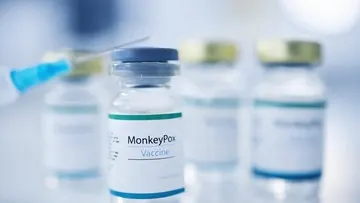
Amidst the focus on medicine prices and pharmaceutical self-sufficiency, Indonesia must not forget the emerging global health threats. Cases like the resurgence of Mpox in Hong Kong, although outside Indonesian territory, serve as a reminder of the importance of a resilient and responsive health system to pandemics. Threats of new or re-emerging infectious diseases are always lurking.
Pandemic and epidemic preparedness requires continuous investment in health infrastructure, competent human resources, and the capacity for research and development of vaccines or medicines. This is a long-term investment whose results may not be immediately visible in months, but is crucial for protecting the nation from future health crises. Budgetary politics must prioritize this sector with adequate allocation.
Urgency of Data and Transparency
In facing these complex challenges, the availability of accurate, up-to-date, and transparent data becomes very important. The government needs to regularly publish data related to medicine availability, raw material prices, demand projections, and the roadmap for pharmaceutical self-sufficiency. This will help the public and stakeholders understand the situation and jointly find effective solutions.
Transparency also builds public trust in government policies and the industry. When the public feels informed and involved in the decision-making process, they will be more easily able to adapt and support the health programs that are launched. This is an integral part of good and accountable governance in the health sector.
The Way Forward: Political Commitment to National Health
The future of Indonesia's national health resilience depends heavily on strong and sustainable political commitment from all elements of the nation. This is not just about reactive responses to medicine price crises or pandemics, but about formulating proactive strategies that anticipate future challenges. Political leaders have a central role in directing resources, shaping a robust policy framework, and ensuring effective implementation.
Investment in the health sector must be seen as an investment in human resources and the future of the nation. Prime health is an absolute prerequisite for economic productivity, social stability, and civilizational progress. Therefore, health issues must always be at the top of the national political agenda and be a non-negotiable budget priority.
Lessons from the COVID-19 pandemic and now the economic turmoil affecting medicine prices show that no country can stand alone. International collaboration, knowledge exchange, and health diplomacy are also important elements in building comprehensive resilience. Indonesia must actively participate in global forums to champion its health interests and contribute to global health.
The weakening of the Rupiah, which triggers a surge in medicine prices, is a loud alarm for the health sector and the political arena in Indonesia. It highlights the fragility of a system heavily reliant on imports and the urgency to build strong, independent, and sustainable pharmaceutical self-sufficiency. Closer synergy between the government, industry, academia, and civil society is needed to overcome these complex challenges.
Firm political commitment, supported by people-centric policies and long-term investment, is key to ensuring that every Indonesian citizen has fair access to essential medicines and quality healthcare services. Only then can we build a healthier, more independent, and competitive nation on the global stage, ready to face any future challenges.
Key Points
- The weakening of the Rupiah significantly increases medicine prices in Indonesia due to **90-95%** dependence on imported raw materials.
- The surge in medicine prices creates a double burden for the public, threatening healthcare access and the sustainability of the JKN program.
- National pharmaceutical self-sufficiency has become a political urgency, requiring government incentives and multi-sectoral collaboration.
- Price monitoring, diversification of import sources, and investment in local research are crucial steps.
- Long-term political commitment and cross-sectoral synergy are vital for national health resilience in the face of economic shocks and global threats.
Frequently Asked Questions
Why does the weakening of the Rupiah significantly affect medicine prices in Indonesia?
Because **90-95%** of medicine raw materials in Indonesia still need to be imported. When the Rupiah weakens against foreign currencies like the US dollar, the import costs of these raw materials automatically surge, which in turn leads to an increase in the selling price of finished medicines in the market.
What is the impact of rising medicine prices on the public, especially the less fortunate?
The increase in medicine prices creates a heavy financial burden, especially for patients with chronic illnesses. They may be forced to reduce dosages, postpone, or even stop treatment, which can worsen their health condition and reduce their quality of life.
What is the government's role in addressing this surge in medicine prices?
The government needs to encourage the self-sufficiency of the national pharmaceutical industry through incentives, facilitate investment in local raw material production, tighten price monitoring, and seek subsidy schemes for essential medicines. Synergy between ministries and agencies is also crucial.
What is meant by "national pharmaceutical self-sufficiency"?
National pharmaceutical self-sufficiency is a condition where Indonesia is able to produce most of the raw materials and medicines needed domestically, reducing dependence on imports. This involves research, development, and significant investment in the pharmaceutical industry sector.
Besides the price issue, what other health challenges does the government need to be aware of?
Besides the issues of price and pharmaceutical self-sufficiency, the government also needs to increase preparedness for global health threats such as pandemics or new infectious disease outbreaks. This requires investment in infrastructure, human resources, and sustainable health research.