

Stain-Free and Perfectly Gleaming: A Complete Guide to Cleaning Glass at Home and the Office
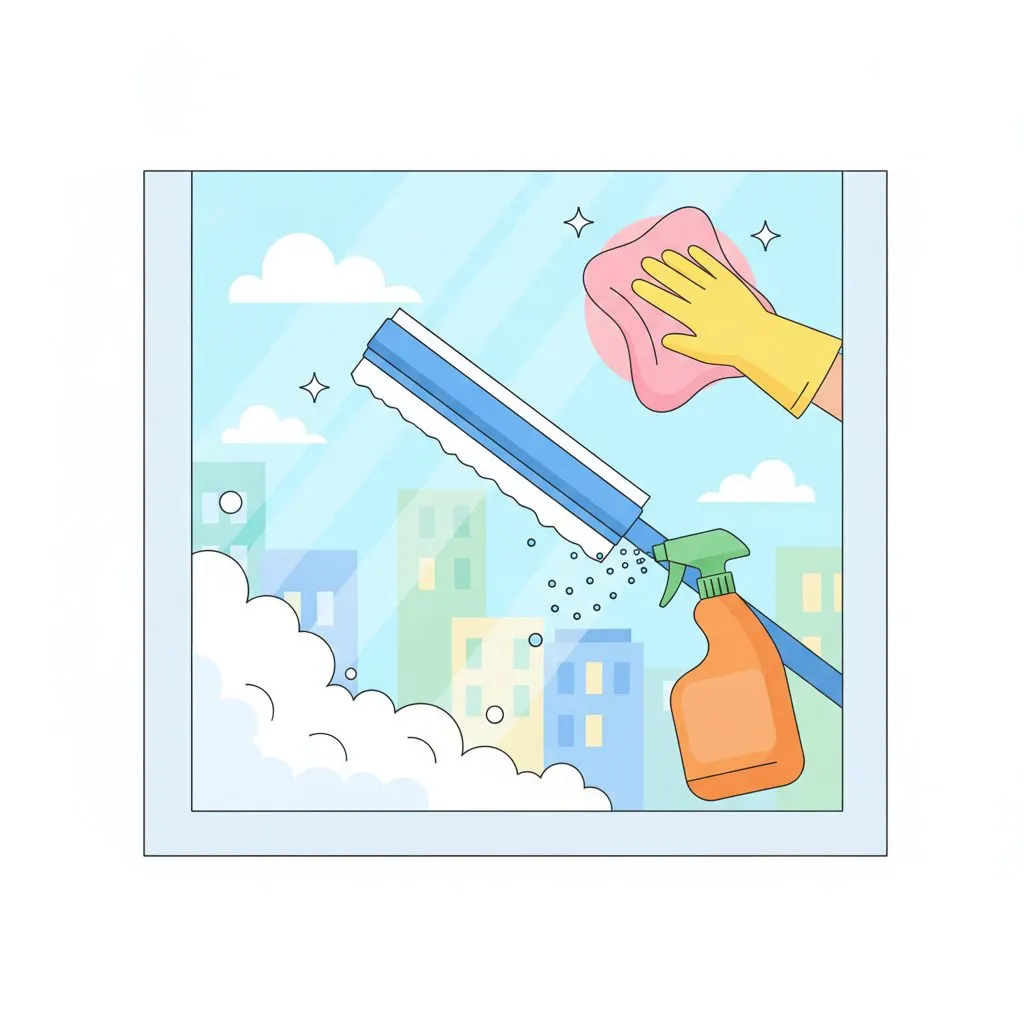
Get a comprehensive guide to cleaning glass at home and the office to achieve a stain-free and perfectly gleaming finish. This article covers the causes of quickly dirty glass, effective tools and materials, streak-free cleaning techniques, tips for special types of glass, daily maintenance, and common mistakes to avoid. Transform dull glass into a crystal-clear mirror with these practical tips.
BERITATOP - Glass, with all its transparency, is an essential element that brings light and beauty into every space. Whether it's a home window, a bathroom mirror, or a glass panel in an office, its clear surface can significantly enhance aesthetics and ambiance. However, glass is also one of the surfaces that most quickly shows signs of dirt, from thin dust to stubborn stains that obstruct the view.
Having sparkling clean glass is not just about appearance. Clear glass allows maximum natural light to enter, creating a brighter and more pleasant environment. Furthermore, well-maintained glass reflects the cleanliness and attention to detail of the occupants or building managers.
Unfortunately, many people find the process of cleaning glass frustrating. The results are often streaky, stained, or even worse than before. This is not due to a lack of effort, but often a lack of knowledge about the right techniques, tools, and materials. This article will thoroughly explore the secrets behind perfectly clean, stain-free, and sparkling glass.
Why Does Glass Get Dirty and Grimy Quickly?
Before moving on to solutions, it's important to understand the root of the problem. Glass is a surface prone to various types of dirt, and the causes can be diverse, ranging from environmental factors to daily habits.
Environmental Factors
Dust is glass's primary enemy. These tiny particles, carried by the wind, will adhere to the glass surface, especially if there's a little moisture. In large cities, air pollution such as soot and vehicle exhaust particles also significantly contributes to accumulated dirt.
Additionally, rainwater often leaves mineral stains or "water spots" after drying. Rainwater, especially in areas with hard water, contains dissolved minerals like calcium and magnesium. As the water evaporates, these minerals are left behind, forming white or cloudy stains that are difficult to remove with a regular cloth.
Direct Contact and Habits
Fingerprints are the most common and often unavoidable cause of dirt, especially in frequently touched areas like glass doors or mirrors. The natural oils from our skin easily transfer to the glass surface, leaving clear marks.
Soap splashes in the bathroom, cooking steam in the kitchen, or oil splatters near the stove also cause glass to get dirty quickly. Bathroom glass, for example, often encounters soap residue, shampoo, and dried water, forming a thick and sticky layer of dirt.
Symptoms and Impacts of Dirty Glass
Dirty glass not only ruins the view but can also cause several other negative impacts. The symptoms vary depending on the type of dirt and how severe the buildup is.
Reduced Aesthetics and Clarity of View
This is the most obvious impact. Cloudy, streaky, or stained glass will make a room feel dull and unkempt. The view outside the window becomes obstructed, and mirror reflections become unclear, reducing their primary function.
Reduced Natural Light Quality
Dirt on glass acts like a filter, reducing the amount of natural light entering a room. This can make the room feel darker and gloomier, even forcing the more frequent use of artificial lighting, which impacts energy consumption.
Potential for Long-Term Damage
Mineral stains or water scale left for too long can microscopically etch the glass surface. Over time, this can cause the glass to appear permanently cloudy or even experience minor structural damage that is difficult to repair without replacement.
Preparation: The Right Tools and Materials
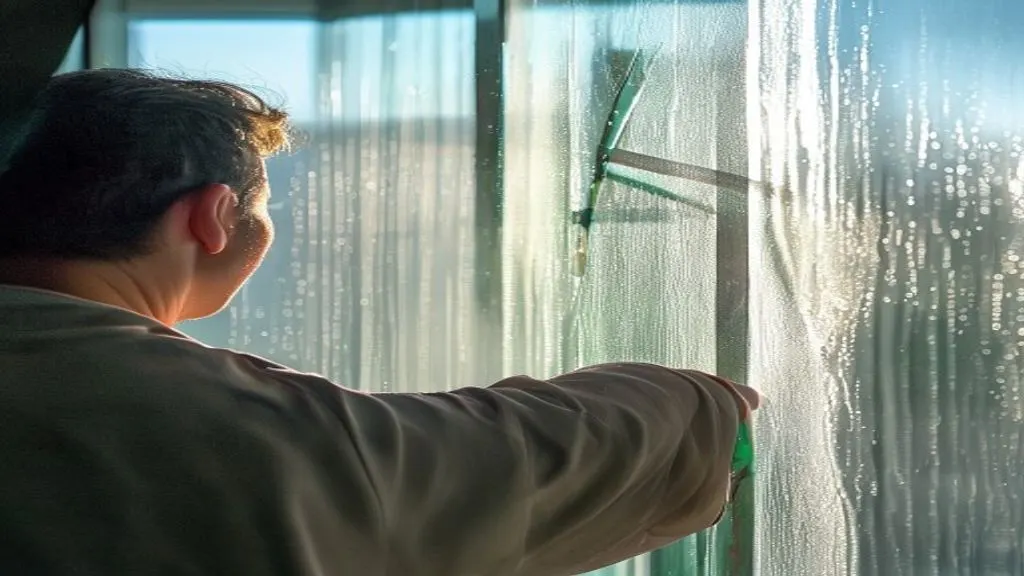
Effectively cleaning glass starts with thorough preparation. Using the right tools and materials is the main key to achieving maximum results without leaving new scratches or stains.
Essential Tools
- Bucket or Container: For mixing cleaning solutions.
- Sponge or Microfiber Cloth: Choose soft, lint-free ones for washing and wiping. Avoid abrasive sponges that can scratch.
- Squeegee: This is the most effective tool for removing cleaning solution and water without leaving streaks. Ensure the rubber is still pliable and not torn.
- Dry Wiping Cloth (Microfiber): Used to dry residual water or wipe edges. Have several on hand for best results.
- Spray Bottle: For applying cleaning solution evenly.
- Soft Brush or Old Toothbrush: Useful for cleaning hard-to-reach corners or stubborn stains.
Cleaning Materials
- Clean Water: Plain water is sufficient as a solvent.
- Liquid Dish Soap: A few drops of mild dish soap can be an excellent glass cleaner, especially for removing grease and dirt. Mix about 1 teaspoon of soap into 1 liter of warm water.
- White Vinegar: Vinegar is a powerful natural cleaning agent for removing mineral stains and providing shine. Mix in a 1:1 ratio of white vinegar and water.
- Isopropyl Alcohol (Optional): For stubborn stains like marker or sap. Use only a small amount.
- Commercial Glass Cleaner: If you choose a ready-to-use product, make sure to select a good quality one that is ammonia-free to avoid strong odors and potential damage to certain surfaces.
- Baking Soda (Optional): For very stubborn scale stains, it can be mixed with a little water to form a paste.
Effective Glass Cleaning Techniques: Step-by-Step
With complete preparation, it's now time to practice the correct glass cleaning techniques for perfectly clean, streak-free results.
1. Clean Dust and Coarse Dirt First
Before spraying cleaning liquid, use a soft brush, a vacuum cleaner with a brush attachment, or a dry cloth to remove dust, cobwebs, and other coarse dirt. This step is very important to prevent scratches when you start scrubbing the glass.
2. Spray Cleaning Solution Evenly
Spray your chosen cleaning solution (soap-water or vinegar-water mixture) over the entire glass surface. Ensure all areas are wet, but not so saturated that they drip excessively. For very dirty glass, let the solution soak for a few minutes to soften the dirt.
3. Scrub with a Sponge or Microfiber Cloth
With a clean sponge or microfiber cloth, gently scrub the glass surface in a circular motion or from top to bottom. Pay special attention to stained or grimy areas. For stubborn stains, use a little baking soda paste or scrub with an old toothbrush.
4. Use a Squeegee for Streak-Free Results
This is the crucial step for achieving streak-free glass. Start from the top corner of the glass. Press the squeegee firmly but steadily, then pull it down in one straight motion. Make sure to overlap each stroke by about 1-2 cm so that no area is missed.
After each stroke, wipe the squeegee's rubber blade with a clean, dry cloth. This prevents accumulated dirt or water from re-sticking to the glass. For wide windows, you can use horizontal strokes from one side to the other, then wipe the rubber blade, and repeat.
5. Dry Edges and Remaining Water
After finishing with the squeegee, there may still be a little water dripping along the edges of the glass. Use a clean, dry microfiber cloth to wipe away these remaining water droplets. Ensure no drips dry and leave new stains.
6. Final Polish (Optional)
For extra shine, you can use another dry microfiber cloth to polish the glass surface with a circular motion. This helps remove any small residues and provides a perfect shine.
Additional Tips for Special Glass
Not all glass is the same. Some require special attention or techniques for the best results.
Large and High Window Panes
For hard-to-reach windows, consider using an extension pole for your squeegee. Always prioritize safety; use a stable ladder or ask for help if needed. Clean from top to bottom to avoid dirty water dripping onto already clean areas.
Bathroom Mirrors
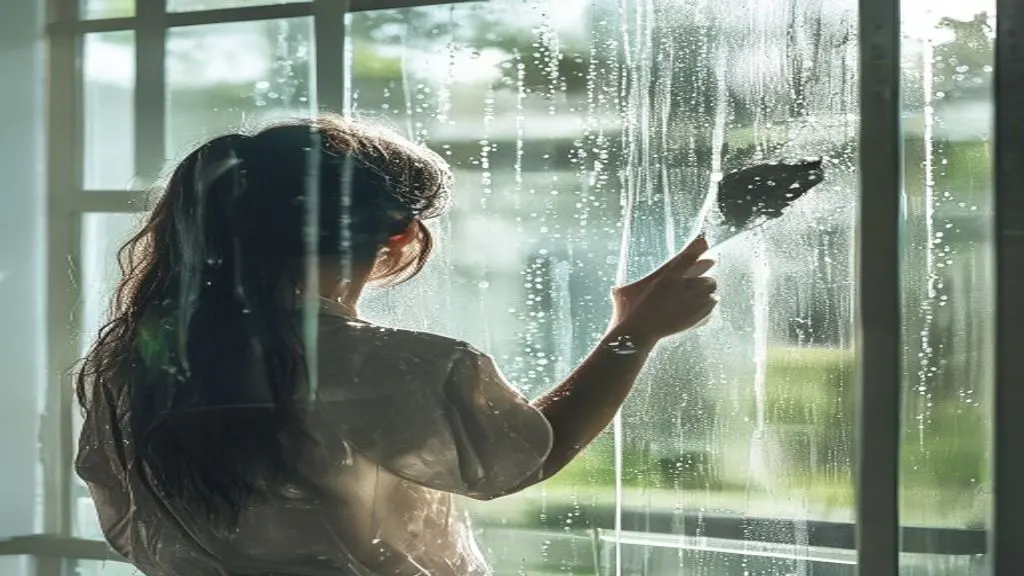
Bathroom mirrors often encounter steam, toothpaste splashes, and hair product residue. For toothpaste stains, gently rub with a damp cloth before cleaning the entire surface. White vinegar is very effective for removing water scale and making mirrors sparkle.
Shower Screen Glass (Bathroom Doors)
This is one of the most challenging areas due to constant exposure to hard water and soap. To prevent scale buildup, clean the shower screen after each shower with a small squeegee. For existing scale, mix baking soda with a little vinegar to form a paste, apply it to the scale, let it sit for 15-30 minutes, then scrub with a soft brush and rinse.
Car Glass
Car glass requires special attention as visibility is a safety factor. Use a car-specific glass cleaner or a vinegar-water mixture. Be sure to clean both the inside and outside. For the inside, use a clean, dry cloth to avoid residue that can cause glare at night.
Daily Glass Maintenance and Prevention
Thorough glass cleaning may only need to be done occasionally, but daily maintenance can help keep it clean longer and reduce the frequency of major cleaning sessions.
Recommended Cleaning Schedule
Here is a table of recommended glass cleaning frequencies based on type and location:
| Type of Glass | Location | Main Cleaning Frequency | Daily/Weekly Maintenance |
|---|---|---|---|
| Interior Windows | Living Room, Bedroom | Every 1-2 months | Dust with a dry cloth every week |
| Exterior Windows | Home, Office | Every 2-4 months | Rinse with water if there is heavy dust |
| Mirrors | Bathroom, Dressing Table | Every week | Wipe fingerprints/splashes every day |
| Shower Doors | Bathroom | Every week | Use a squeegee after each shower |
| Glass Tables | Living Room, Kitchen | Every day | Wipe with a damp cloth and dry |
| Car Glass | Windows, Mirrors | Every 2 weeks | Wipe with a dry microfiber cloth for condensation/dust |
Prevention Tips
- Avoid Touching Glass Directly: Educate family members or colleagues to avoid touching glass surfaces as much as possible, especially with fingers. Use door handles or frames.
- Use Barriers: For glass in kitchen areas, use protective coatings or anti-stain sprays that can minimize oil and splatter adhesion.
- Rinse Shower Screens: After showering, rinse the shower screen with clean water and dry it with a small squeegee. This is the best way to prevent soap scum and water scale buildup.
- Clean Spills Immediately: Do not let spills or splatters dry on the glass surface. Clean them immediately with a damp cloth.
- Install Curtains or Blinds: Curtains or blinds can help reduce dust buildup on windows, especially if the windows are frequently opened.
Common Mistakes to Avoid
Many people make mistakes that actually make glass look dirtier or even damaged. Avoid the following:
- Cleaning in Direct Sunlight: Sunlight will cause the cleaning solution to dry too quickly, leaving streaks and spots before you can squeegee them away.
- Using Dirty or Linty Cloths: Dirty cloths will spread dirt, while linty cloths will leave fibers that stick to the glass.
- Not Cleaning Tools: A dirty squeegee or damaged rubber blade will leave streaks and not clean effectively. Always clean the squeegee blade after each stroke.
- Using Ammonia-Based Cleaners Near Wood: Ammonia can damage the finish or paint on wooden surfaces around the glass.
- Using Too Much Product: Excessive cleaner will leave a sticky residue that attracts more dust and dirt.
- Ignoring Corners and Edges: These areas are often missed, yet dirt in the corners can easily spread to other areas.
Conclusion
Cleaning glass may sound like a trivial task, but with the right approach, the results can be very satisfying. Sparkling clean glass not only enhances the aesthetics of a room but also maximizes natural light and creates a healthier environment. Remember to always start by cleaning dust, using the right cleaning solution, and mastering the squeegee technique for streak-free results.
With a little patience and consistency in maintenance, you can enjoy the beauty of clear glass every day, whether at home or at work. Don't let stains and dirt block your view of a brighter, cleaner world.
Key Takeaways
- Understanding the causes of dirty glass (dust, fingerprints, water spots) is the first step to effective cleaning.
- Proper tool preparation such as a squeegee, microfiber cloths, and vinegar/soap solutions is key to clean, scratch-free results.
- Use a step-by-step cleaning technique: clean dust, spray, scrub, then pull with a squeegee consistently, wiping the rubber blade.
- Pay attention to special care for different types of glass (windows, mirrors, shower screens) and perform regular cleaning to prevent dirt buildup.
- Avoid common mistakes like cleaning in direct sunlight or using dirty cloths for perfect results.
Frequently Asked Questions
What are the causes of glass getting dirty and grimy quickly?
The main causes of glass getting dirty quickly are dust, oily fingerprints, water spots (especially from rain or hard water), soap residue, and air pollution. Environmental factors and direct contact with human hands play a significant role.
What are the most effective materials and tools for cleaning glass without leaving streaks?
For best results, use a mixture of warm water with a little liquid dish soap or a 1:1 mixture of white vinegar and water. Other essential tools include a clean sponge or microfiber cloth, a squeegee, and a dry microfiber cloth for polishing.
How can I clean glass without leaving streaks or spots?
The key to streak-free glass is using the squeegee correctly. After spraying the cleaning solution and scrubbing away dirt, pull the squeegee from top to bottom in one straight motion, overlapping each stroke by about 1-2 cm. Be sure to wipe the squeegee's rubber blade with a clean cloth after each stroke.
How can I remove stubborn water scale stains on glass, especially in the bathroom?
Stubborn water scale stains can be tackled by making a paste of baking soda and a little vinegar. Apply this paste to the stains, let it sit for 15-30 minutes, then gently scrub with a soft brush or non-abrasive sponge before rinsing and cleaning as usual. For prevention, use a squeegee after each shower on the shower screen.
What common mistakes should be avoided when cleaning glass?
Avoid cleaning glass in direct sunlight as the cleaning solution will dry too quickly and leave spots. Do not use dirty or linty cloths, and do not neglect cleaning your cleaning tools (especially the squeegee blade). Using too much product can also leave residue.