

Unveiling the Secrets of Eggs: How to Store Eggs to Keep Them Fresh and Safe to Eat
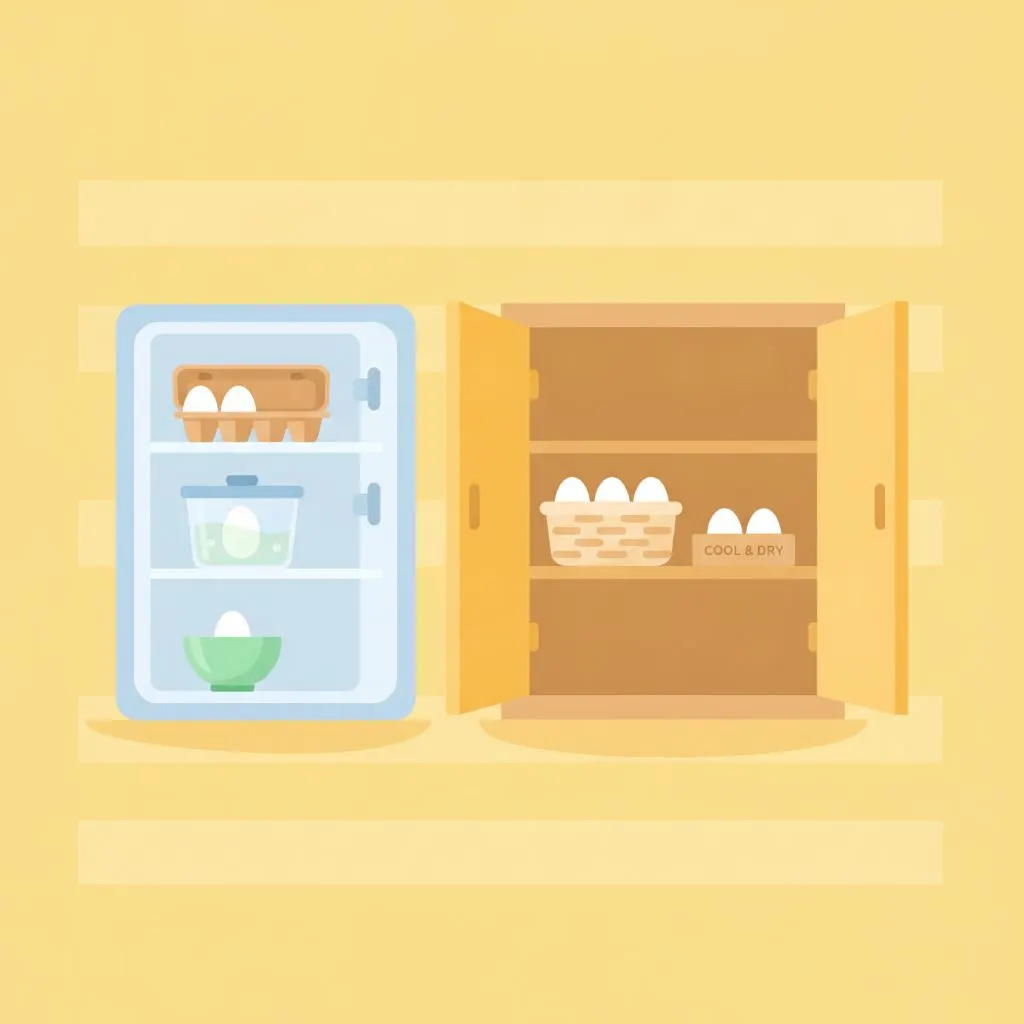
Eggs are a versatile pantry staple. However, improper storage can be detrimental to food safety and egg quality. This article thoroughly discusses how to store eggs correctly, from the best methods in the refrigerator, common mistakes to avoid, to how to identify eggs that are no longer fit for consumption. Ensure your eggs are always fresh and safe for your family.
BERITATOP - Every kitchen in Indonesia surely stores eggs. This versatile food ingredient is a top choice for breakfast, side dishes, to cake ingredients. However, we often neglect how to store them.
In fact, storing eggs correctly is not just about maintaining their freshness. It is a vital key to ensuring food safety and preventing the risk of unwanted foodborne illnesses. Small mistakes in storage can be fatal.
Why is Proper Egg Storage So Important?
Eggs, like other animal food products, have a great potential to become a breeding ground for bacteria if not handled properly. Salmonella bacteria, for example, is a menace often associated with eggs. This bacteria can cause serious food poisoning.
Besides safety issues, improper storage will also affect the quality of eggs. Eggs stored carelessly tend to spoil faster, lose nutrients, and their taste changes. Surely we don't want our delicious dishes ruined just because of less fresh eggs, right?
Ideal Egg Storage Conditions: A Complete Guide to the Best Methods
There is a long debate about the best way to store eggs: in the refrigerator or at room temperature? The answer is not always black and white, as it depends on the practices in the country of origin of the eggs and how they are processed. However, in Indonesia, most food experts recommend refrigeration.
Refrigerator Storage: The Gold Standard for Food Safety
Storing eggs in the refrigerator is the most recommended method in many countries, including Indonesia. The cold temperature of the refrigerator significantly slows down the growth of bacteria, including Salmonella, which may be present inside or on the surface of the eggshell. This is our first line of defense.
When eggs are stored at a stable cold temperature, their internal quality is also better maintained. The egg white will remain thick and the yolk will not easily break when cracked. This is especially important for recipes that require fresh eggs, such as omelets or cakes.
Important Tips for Refrigerator Storage:
- Use the Original Carton: After buying eggs, keep them in their original carton or container. This carton not only protects the eggs from physical damage but also prevents them from absorbing odors from other foods in the refrigerator. The eggshell has pores that can absorb surrounding aromas.
- Avoid the Refrigerator Door: This is a common mistake. The refrigerator door is the warmest part and experiences the most temperature fluctuations due to frequent opening and closing. These temperature changes can accelerate egg spoilage. It is best to place eggs on an inner shelf of the refrigerator where the temperature is more stable and colder.
- Egg Position: Always store eggs with the blunt end up and the pointed end down. Why? Eggs have a small air sac at the blunt end. With this position, the air sac will remain at the top, preventing the yolk from touching the shell and slowing down the moisture evaporation process. This helps eggs last longer.
- Keep Away from Strong-Smelling Foods: Eggs can easily absorb odors. Avoid storing them near onions, garlic, or very strong-smelling cheeses. Otherwise, your eggs might have an undesirable taste.
Room Temperature Storage: An Alternative with Limitations
In some countries, especially in Europe, eggs are generally stored at room temperature. This is because the egg washing practices there are different; they do not remove the natural cuticle layer that protects the egg from bacteria. However, in Indonesia, eggs sold in the market have usually undergone a washing process.
This washing removes the natural protective layer (cuticle or bloom) on the eggshell, making it more susceptible to bacterial penetration. Therefore, storing washed eggs at room temperature is not a good idea, especially in warm tropical climates like Indonesia.
If you must store eggs at room temperature, ensure it is only for a very short period (maximum 2-3 days) and in a cool, dry place, away from direct sunlight. Avoid kitchen areas near the stove or other heat sources.
Root Causes and Common Mistakes in Egg Storage
Understanding common mistakes is the first step to correcting them. Many of us might be doing these things without realizing it.
1. Washing Eggs Before Storing
This is one of the most fatal mistakes. Although it looks clean, washing eggs before storing actually removes the natural protective layer (cuticle) on the shell. This layer acts as a natural barrier against bacteria. Once this layer is gone, the pores of the shell will open, making it easier for bacteria to enter the egg.
Solution: Never wash eggs before storing. If there is any dirt attached, simply clean it with a dry cloth or a soft brush just before use.
2. Storing in the Refrigerator Door
As mentioned, the refrigerator door is frequently opened and closed, causing significant temperature fluctuations. This is a bad environment for eggs because constant temperature changes can accelerate spoilage and bacterial growth.
Solution: Move eggs to an inner shelf of the refrigerator, where the temperature is more stable and colder.
3. Ignoring Expiration Dates
Although eggs can last quite a long time, it doesn't mean you can ignore the expiration date or "best before" date printed on the packaging. These dates are important guidelines for quality and safety.
Solution: Always check the expiration date when buying and when about to use eggs. Apply the FIFO (First In, First Out) principle: use the eggs bought first before using the new ones.
4. Storing Eggs Near Strong-Smelling Ingredients
Eggs have porous shells that easily absorb odors. Storing eggs near onions, garlic, or even other strong-smelling leftovers can make the eggs have an unpleasant taste.
Solution: Store eggs in their original carton or a separate airtight container in the refrigerator to protect them from odors.
How Long Can Eggs Be Stored? Maximum Duration Guide
The duration of egg storage depends heavily on the method and conditions. It is important to know these time limits to maintain food safety.
| Type of Egg | Storage Method | Maximum Duration | Notes |
|---|---|---|---|
| Raw Eggs (in shell) | Refrigerator (4°C or below) | 3-5 weeks after purchase date | Store on inner shelf |
| Raw Eggs (in shell) | Room Temperature (in Indonesia) | 2-3 days (higher risk) | Only if no other option, away from heat |
| Cooked Boiled Eggs | Refrigerator | 1 week | Peel just before eating |
| Raw Egg Whites | Refrigerator | 2-4 days | Store in an airtight container |
| Raw Egg Yolks | Refrigerator | 2-4 days | Cover tightly with water or plastic wrap |
| Scrambled Raw Eggs | Refrigerator | 2 days | In an airtight container |
Important: These durations are estimates. Always check for signs of spoilage before consuming eggs, regardless of the expiration date or storage duration.
Recognizing Signs of Spoiled Eggs: Don't Take Risks!
Even if stored correctly, eggs can still spoil. Recognizing the signs is an essential skill for every cook.
1. The Float Test
This is the most popular and easy method. Fill a bowl with cold water, then carefully place the egg in it.
- If the egg sinks to the bottom and lies on its side, it is very fresh.
- If the egg sinks but stands upright at the bottom (blunt end up), it is still good but not very fresh. The air sac inside has enlarged.
- If the egg floats to the surface, it is spoiled and should be discarded. Spoiled eggs have a very large air sac due to moisture evaporation and gas production inside.
2. The Smell Test
This is the most reliable indicator. Spoiled eggs will emit a very strong and unpleasant sulfurous odor, similar to the smell of farts or rotten eggs we often hear about. This smell will be noticeable even before you crack it, or more clearly after cracking.
Solution: If you smell an unpleasant odor, discard the egg immediately. Do not try to cook it.
3. The Appearance Test
Crack the egg into a separate bowl (not directly into your cooking).
- Yolk: Fresh eggs have a round and high yolk. Less fresh eggs may have a flat yolk that breaks easily. Spoiled eggs may have a very runny yolk or even one that has mixed with the egg white, sometimes with an odd color.
- Egg White: Fresh eggs have two layers of egg white: one thick and one thin. Spoiled eggs will have very thin and watery egg whites.
- Shell Color: Mold or black spots on the shell indicate contamination and the egg should be discarded.
Practical Everyday Tips for Optimal Egg Storage
Adopting good egg storage habits will make your life easier and your kitchen safer.
- Buy Eggs from Trusted Sources: Make sure you buy eggs from reputable stores or suppliers that maintain cleanliness. Check the packaging and expiration dates.
- Check the Shell When Buying: Avoid buying eggs with cracked or broken shells. Cracks are a perfect entry point for bacteria.
- Store Immediately After Purchase: Do not leave eggs at room temperature for too long after buying them. Put them in the refrigerator immediately.
- Prioritize Usage: Always use older eggs first. This helps ensure no eggs are wasted due to being stored for too long.
- Eggs for Baking: Slightly older eggs (but still good) are actually better for baking because their whites whip up more easily and achieve maximum volume.
Conclusion: A Small Investment for Great Safety
Storing eggs may seem trivial, but its impact on food safety and cooking quality is significant. By following these simple guidelines, you not only extend the shelf life of your eggs but also protect your family from unnecessary health risks.
Remember, a safe kitchen is a happy kitchen. Start practicing proper egg storage today and enjoy freshness and safety in every dish you make.
Key Takeaways
- Always store eggs in the refrigerator, on an inner shelf, not in the door.
- Do not wash eggs before storing as it removes the natural protective layer.
- Use the original egg carton to protect from odors and shocks.
- Store eggs with the blunt end up to maintain freshness longer.
- Perform the float test and smell test to ensure eggs are still fresh before use.
Frequently Asked Questions
Should eggs be washed before storing?
No, do not wash eggs before storing. Washing eggs will remove the natural protective layer (cuticle) on the shell, opening the pores and making it easier for bacteria to enter the egg. Just clean them with a dry cloth just before use.
How long can eggs be stored in the refrigerator?
Raw eggs in the shell stored in the refrigerator at 4°C or below can last up to 3-5 weeks after the purchase date. Cooked boiled eggs can last up to 1 week in the refrigerator.
Why shouldn't eggs be stored in the refrigerator door?
The refrigerator door is the part that experiences the most temperature fluctuations due to frequent opening and closing. These constant temperature changes can accelerate egg spoilage and reduce their shelf life. It is best to place eggs on an inner shelf of the refrigerator where the temperature is more stable.
How can I tell if an egg is spoiled?
The easiest way is the float test: eggs that float in cold water are spoiled. In addition, spoiled eggs will emit a very strong and unpleasant sulfurous odor. The yolk may also appear flat or runny.
Are eggs stored at room temperature safe?
In Indonesia, eggs sold in the market have generally been washed and their protective layer removed. Therefore, storing eggs at room temperature is highly discouraged, especially in tropical climates. If unavoidable, only for 2-3 days in a cool, dry place, but the risk of contamination is higher.